
ANATOMY AND PHYSIOLOGY
Anesthesia relies on a deep understanding of Anatomy and Physiology. From airway management to regulating the body's vital systems, this knowledge ensures precise and safe care. Explore how these principles form the foundation of effective anesthesia practice
CARDIOVASCULAR

Ischemic Heart Disease (IHD)
Occurs when the heart muscle receives less oxygen than it needs, usually from narrowed or blocked coronary arteries. This imbalance between supply and demand can cause chest pain, arrhythmias, or heart attack

Cardiac Conduction & Rhythm Abnormalities
Disruptions in the heart’s electrical system cause irregular heartbeats (arrhythmias). These may be too fast, too slow, or uncoordinated, leading to palpitations, syncope, or risk of sudden cardiac death
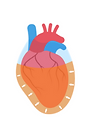
Pericardial Diseases
Disorders of the pericardium include pericarditis, pericardial effusion, and cardiac tamponade. They can restrict cardiac filling, causing chest pain, hypotension, jugular venous distension, and risk of cardiovascular collapse

Valvular Heart Disease
A condition where one or more heart valves fail to open or close properly, disrupting blood flow. Stenosis narrows the valve opening, while regurgitation allows backflow. This increases cardiac workload, leading to symptoms such as shortness of breath, fatigue, and murmurs

Cardiovascular & Peripheral Vascular Complications
Damage to blood vessels or impaired circulation increases the risk of hypertension, ischemia, stroke, aneurysm, and limb ischemia. These conditions raise perioperative risk and can worsen outcomes if not carefully managed

Cardiomyopathies
and Heart Failure
Diseases of the heart muscle impair its ability to pump or fill effectively. Dilated, hypertrophic, or restrictive forms can lead to reduced cardiac output, fluid overload, arrhythmias, and progression to heart failure with symptoms like dyspnea, fatigue, and edema

Congenital Heart Disease (CHD)
Structural abnormalities of the heart or great vessels present at birth. They can cause abnormal blood flow patterns, such as left-to-right or right-to-left shunts, leading to cyanosis, heart failure, or arrhythmias depending on severity

Infectious Heart Disease
Infections of the heart, such as infective endocarditis or myocarditis, damage valves or muscle tissue. They can lead to fever, murmurs, heart failure, embolic events, and increased perioperative risk

Cardiovascular System
The cardiovascular system transports oxygen, nutrients, and hormones through the blood. It includes the heart and blood vessels, working together to maintain circulation and blood pressure
RESPIRATORY

Obstructive
Pulmonary Diseases
Characterized by airflow limitation due to narrowed or blocked airways, as in asthma, COPD, or emphysema. Patients present with wheezing, dyspnea, and air trapping, leading to impaired gas exchange and increased work of breathing

Pulmonary Vascular Complications
Disorders like pulmonary embolism, pulmonary hypertension, or fat embolism impair blood flow through the lungs. They increase pulmonary pressures, strain the right ventricle, and can cause hypoxemia, dyspnea, or cardiovascular collapse

Restrictive
Pulmonary Diseases
Conditions that reduce lung compliance or volume, such as pulmonary fibrosis, ARDS, or scoliosis. They cause difficulty with lung expansion, leading to low tidal volumes, hypoxemia, and increased work of breathing

Altered Airway Anatomy
Structural changes from congenital defects, trauma, tumors, or prior surgery can distort the airway. These increase the risk of difficult ventilation or intubation and may require specialized equipment or advanced airway techniques

Infectious
Pulmonary Diseases
Lung infections such as pneumonia or tuberculosis cause inflammation, consolidation, and impaired gas exchange. Symptoms include fever, cough, dyspnea, and hypoxemia, with risk of sepsis or respiratory failure.

Genetic
Respiratory Disorders
Inherited conditions such as cystic fibrosis, alpha-1 antitrypsin deficiency, or primary ciliary dyskinesia impair lung function. They lead to recurrent infections, mucus plugging, progressive lung damage, and chronic respiratory failure
CENTRAL NERVOUS SYSTEM

Neurodegenerative Diseases
Progressive disorders like Parkinson’s, ALS, or Alzheimer’s cause loss of neurons and function over time. They lead to motor weakness, cognitive decline, dysphagia, and respiratory compromise, increasing perioperative risk.

Psychiatric Disorders
Mental health conditions such as depression, anxiety, bipolar disorder, and schizophrenia alter mood, thought, and behavior. They may affect medication use, stress response, and perioperative management

Intracranial Tumors
Abnormal growths within the brain or surrounding structures increase intracranial pressure and compress neural tissue. Symptoms include headaches, seizures, focal deficits, and altered consciousness, with high anesthetic risk due to
ICP changes

Genetic Nervous
System Disorders
Inherited conditions such as Huntington’s disease, spinal muscular atrophy, or neurofibromatosis disrupt normal neural development or function. They can cause movement disorders, weakness, sensory loss, or tumors, often complicating anesthesia care

Spinal Cord & Reflexes
The spinal cord transmits signals between the brain and body, while reflexes provide rapid, automatic responses to stimuli. Together, they coordinate movement and protect the body from harm

Myelin diseases
Disorders such as multiple sclerosis or leukodystrophies damage the myelin sheath, slowing nerve conduction. They cause weakness, sensory loss, spasticity, and fatigue, with variable progression and relapse patterns

Neuropathies & Myopathies
Nerve or muscle disorders that impair signal transmission or contraction. They can cause weakness, sensory changes, fatigue, and respiratory compromise, raising anesthesia risks like prolonged neuromuscular blockade

Congenital CNS Anomalies
Structural abnormalities present at birth that affect the nervous system, airway, heart, or other organs. They can impair growth, development, and function, often requiring early surgical correction and special perioperative planning

Intracranial Hypertension
Elevated pressure within the skull from trauma, tumors, hemorrhage, or hydrocephalus. It reduces cerebral perfusion and causes headache, vomiting, papilledema, and risk of herniation

Brain and Brainstem
The brain controls thought, memory, emotions, and movement. The brainstem connects the brain to the spinal cord and regulates vital functions such as breathing, heart rate, and consciousness

Cerebrovascular Diseases
Conditions such as stroke, TIA, or aneurysm disrupt blood flow to the brain. They can cause sudden neurological deficits, cognitive decline, seizures, or death, and increase perioperative risk of ischemia or bleeding

Spinal Cord Disorders
Injuries or diseases affecting the spinal cord can cause motor and sensory loss, autonomic dysfunction, and respiratory compromise. Severity depends on the level and extent of damage, with major implications for anesthesia and perioperative care

Seizure Disorders
Neurological conditions marked by abnormal electrical activity in the brain, leading to recurrent seizures. They range from brief lapses in awareness to convulsions, and require careful medication management to prevent perioperative complications.

Thermoregulation
The body’s ability to maintain a stable core temperature through heat production and loss. Disorders or anesthesia can impair this balance, leading to hypothermia, hyperthermia, or malignant hyperthermia in
susceptible patients

Autonomic Nervous System
The Autonomic Nervous System regulates involuntary body functions such as heart rate, blood pressure, digestion, and respiratory rate.
MUSCULOSKELETAL

Myopathies
& Metabolic Complications
Muscle disorders and metabolic defects impair energy use and contraction, leading to weakness, fatigue, and exercise intolerance. In anesthesia, they increase risk of rhabdomyolysis, hyperkalemia, or malignant hyperthermia

Orthopedic Anesthesia
Conditions affecting muscles, bones, ligaments, or joints—such as arthritis, muscular dystrophy, or chronic back pain. They cause pain, stiffness, weakness, or deformity, often complicating mobility, positioning, and perioperative care

Neuromuscular Diseases
Disorders affecting the neuromuscular junction or muscle fibers, such as myasthenia gravis or Lambert-Eaton syndrome. They cause weakness, fatigue, and respiratory compromise, with heightened sensitivity to anesthetic agents and muscle relaxants

Genetic Musculoskeletal Disorders
Inherited conditions like Duchenne muscular dystrophy, Marfan syndrome, or Ehlers-Danlos affect muscle, bone, or connective tissue integrity. They lead to weakness, deformities, or joint laxity, and pose unique challenges for anesthesia
and surgery

Skeletal Diseases
Disorders such as osteoporosis, scoliosis, or osteogenesis imperfecta weaken or deform bones. They can impair mobility, alter respiratory mechanics, and complicate positioning, airway management, and anesthesia care

Muscular System
The muscular system enables movement, posture, and heat production. It includes skeletal, cardiac, and smooth muscles working together with bones and organs
ENDOCRINE

Thyroid
& Parathyroid Disorders
Abnormal hormone production or gland function leads to systemic effects. Hyperthyroidism causes tachycardia, weight loss, and risk of thyroid storm, while hypothyroidism causes bradycardia, hypothermia, and sensitivity to anesthetics. Parathyroid disorders disrupt calcium balance, leading to tetany, arrhythmias, or bone disease

Pancreatic Disorders
Diseases such as pancreatitis, pancreatic cancer, or endocrine tumors disrupt digestion and hormone regulation. They can cause abdominal pain, malabsorption, diabetes, or severe metabolic disturbances like hypoglycemia or ketoacidosis

Pituitary Disorders
Hormone-secreting or destructive lesions of the pituitary gland cause endocrine imbalances. Examples include acromegaly, Cushing’s disease, and diabetes insipidus, leading to growth abnormalities, hypertension, electrolyte shifts, or altered stress response

Metabolic Disorders
Conditions that disrupt normal biochemical processes, such as diabetes, obesity, or inborn errors of metabolism. They can cause electrolyte imbalances, acidosis, or altered energy use, increasing perioperative risk and complicating anesthesia management

Adrenal Disorders
Abnormal cortisol or catecholamine production disrupts stress and metabolic balance. Cushing’s syndrome causes hypertension, obesity, and glucose intolerance; Addison’s disease leads to hypotension, hyponatremia, and shock risk. Pheochromocytoma causes severe episodic hypertension from catecholamine surges

Endocrine System
Conditions that disrupt normal endocrine and metabolic function—such as diabetes, obesity, and inherited metabolic disorders—can significantly impact anesthesia.
HEPATIC

Hepatic – Infectious Diseases
Liver infections such as viral hepatitis impair detoxification, protein synthesis, and metabolism. They may cause jaundice, coagulopathy, encephalopathy, and progression to cirrhosis, increasing surgical and anesthetic risk

Hepatovascular Complications
Vascular disorders of the liver, such as portal vein thrombosis, Budd–Chiari syndrome, or hepatic veno-occlusive disease, impair blood flow and raise portal pressures. They can cause ascites, hepatomegaly, varices, and risk of liver failure

Biliary Tract
& Bilirubin Disorders
Obstruction or dysfunction of the biliary system leads to impaired bile flow and abnormal bilirubin metabolism. Conditions like gallstones, cholangitis, or inherited enzyme defects can cause jaundice, pruritus, malabsorption, and risk of infection

Cirrhotic Disorders
Chronic liver damage from alcohol, hepatitis, or metabolic disease leads to fibrosis and cirrhosis. This causes portal hypertension, ascites, coagulopathy, encephalopathy, and impaired drug metabolism, greatly increasing perioperative risk
Liver Physiology
The liver regulates metabolism, detoxification, and hemodynamics. It receives dual blood supply from the hepatic artery and portal vein, making hepatic blood flow sensitive to changes in cardiac output, venous pressure, and anesthetic agents
RENAL

Primary Kidney Diseases
& Disorders
Intrinsic renal conditions such as glomerulonephritis, polycystic kidney disease, or nephrotic syndrome impair filtration and homeostasis. They cause proteinuria, hematuria, hypertension, and progression to renal failure, impacting fluid and drug management

Acute Kidney Injury
A sudden decline in renal function from ischemia, toxins, sepsis, or obstruction. Leads to fluid overload, electrolyte disturbances (especially hyperkalemia), metabolic acidosis, and accumulation of drugs, increasing perioperative risk

Chronic Kidney Injury
Progressive loss of kidney function over months to years, often from diabetes or hypertension. It causes uremia, anemia, bone disease, fluid overload, and electrolyte imbalances, with high perioperative and cardiovascular risk
HEMATOLOGIC

Anemias
Reduced red blood cell mass or hemoglobin lowers oxygen-carrying capacity. Causes include blood loss, nutritional deficiency, or chronic disease. Symptoms include fatigue, pallor, tachycardia, and hypoxia risk during surgery

Hemoglobin disorders
Inherited or acquired abnormalities like sickle cell disease and thalassemia alter hemoglobin structure or production. They cause anemia, vaso-occlusion, hemolysis, and organ damage, increasing perioperative risk
of hypoxia and crises

Coagulation disorders
Defects in clotting factors, platelets, or fibrinolysis cause abnormal bleeding or thrombosis. Examples include hemophilia, von Willebrand disease, and DIC. They increase surgical risk of hemorrhage or thromboembolic complications
GASTROINTESTINAL

Esophageal Disorders
Conditions such as GERD, achalasia, or esophageal varices impair swallowing and increase aspiration risk. They may cause heartburn, dysphagia, bleeding, or chest pain, with important implications for anesthesia and airway protection

Intestinal Disorders
Diseases such as inflammatory bowel disease, obstruction, or ischemia disrupt absorption and motility. They can cause abdominal pain, diarrhea, bleeding, malnutrition, or perforation, often leading to fluid/electrolyte imbalances and surgical emergencies

Gastric Disorders
Diseases such as peptic ulcer, gastritis, or gastric cancer disrupt stomach function. They can cause pain, bleeding, delayed emptying, or obstruction, and increase perioperative risks like aspiration or hemodynamic instability

Tumors & Secreting Lesions
Neoplasms of the GI tract may obstruct, bleed, or metastasize, while hormone-secreting lesions (like gastrinomas or VIPomas) cause metabolic disturbances. They present with pain, bleeding, weight loss, or severe electrolyte derangements

Pancreatic disorders
Conditions like acute pancreatitis, chronic pancreatitis, or pancreatic tumors impair digestion and hormone secretion. They can cause severe abdominal pain, malabsorption, diabetes, fluid shifts, and metabolic instability during surgery

Malabsorption Disorders
Conditions like celiac disease, Crohn’s disease, or pancreatic insufficiency impair nutrient absorption. They lead to weight loss, diarrhea, anemia, and vitamin deficiencies, which can complicate healing and anesthesia management
IMMUNE

Infectious Disorders
Infections activate and challenge the immune system, ranging from localized illness to systemic sepsis. Disorders like HIV, opportunistic infections, or overwhelming bacterial/viral disease can cause immune suppression, organ dysfunction, and high perioperative risk

Allergic Responses
Overactive immune responses (allergies, anaphylaxis, autoimmune disease) cause exaggerated inflammation and tissue injury, while underactive immunity (immunodeficiency) increases infection risk. Both states complicate perioperative care and drug safety

Autoimmune Diseases
Conditions like lupus, rheumatoid arthritis, and multiple sclerosis occur when the immune system attacks self-tissues. They cause chronic inflammation, organ damage, and systemic complications, often requiring immunosuppression and careful perioperative planning
MISCELLANEOUS

Cancer
Uncontrolled cell growth that can invade local tissues and metastasize to distant organs. It causes weight loss, anemia, immune suppression, and organ dysfunction, increasing perioperative risks and often requiring multimodal treatment

Trauma
Physical injury from blunt, penetrating, or blast mechanisms can affect multiple organ systems. It often leads to hemorrhage, shock, airway compromise, and metabolic derangements, requiring rapid stabilization and surgical intervention

Perioperative Anticoagulation Management
Balancing bleeding and thrombosis risk requires careful timing of anticoagulant interruption and resumption. Bridging with heparin may be needed in high-risk patients, while reversal agents and monitoring guide
urgent surgery

Glaucoma
A group of eye diseases characterized by increased intraocular pressure causing optic nerve damage. It can lead to progressive vision loss and blindness if untreated, with open-angle and angle-closure as major types

Substance Abuse
Chronic or acute misuse of alcohol, opioids, stimulants, or other drugs alters physiology and increases perioperative risks. It may cause tolerance, withdrawal, organ dysfunction, and dangerous interactions with anesthetic agents.

Shock States
Life-threatening syndromes of inadequate tissue perfusion and oxygen delivery. Types include hypovolemic, cardiogenic, distributive (septic, anaphylactic), and obstructive. They cause hypotension, acidosis, organ dysfunction, and require rapid resuscitation.

Burns
Thermal, chemical, or electrical injury to the skin and underlying tissue causing fluid loss, infection risk, metabolic stress, and potential organ failure. Severity depends on depth and total body surface area affected.

Blood Products
& Component Therapy
Transfusion of whole blood or components (RBCs, platelets, plasma, cryoprecipitate) is used to restore oxygen delivery, coagulation, or volume. Risks include transfusion reactions, infection, electrolyte shifts, and TRALI/TACO

Fluids and Electrolytes
Fluid and electrolyte disturbances—such as hypovolemia, sodium or potassium imbalance, and acidosis—can cause hypotension, arrhythmias, and organ dysfunction. Rapid assessment and appropriate fluid management are critical during anesthesia